



Smartwatches have transformed dramatically from basic devices that only tell time into powerful health partners. Each new advancement is reshaping how individuals manage their wellness, bringing sophisticated health tracking and insights directly to their wrists. Modern smartwatches now deliver a wide range of features well beyond counting steps, driving new trends in health monitoring that aim to enhance well-being for people everywhere.
The Rise of Smartwatches as Health Tools
Initially, smartwatches were limited to basic features like counting steps and measuring heart rate. While these early capabilities attracted users, they barely tapped into the full potential of wearable technology. As companies began focusing more on health and fitness, sensor technology advanced, allowing for a wider array of features. The introduction of GPS was a significant milestone, enabling users to track their movements with greater accuracy, which particularly appealed to outdoor athletes and adventurers.
Gradually, smartwatches evolved from simple convenience devices into indispensable health tools. Nowadays, users expect these wearables to provide scientifically validated health insights, assist in achieving fitness objectives, promote overall wellness, and even offer support for managing chronic medical conditions.
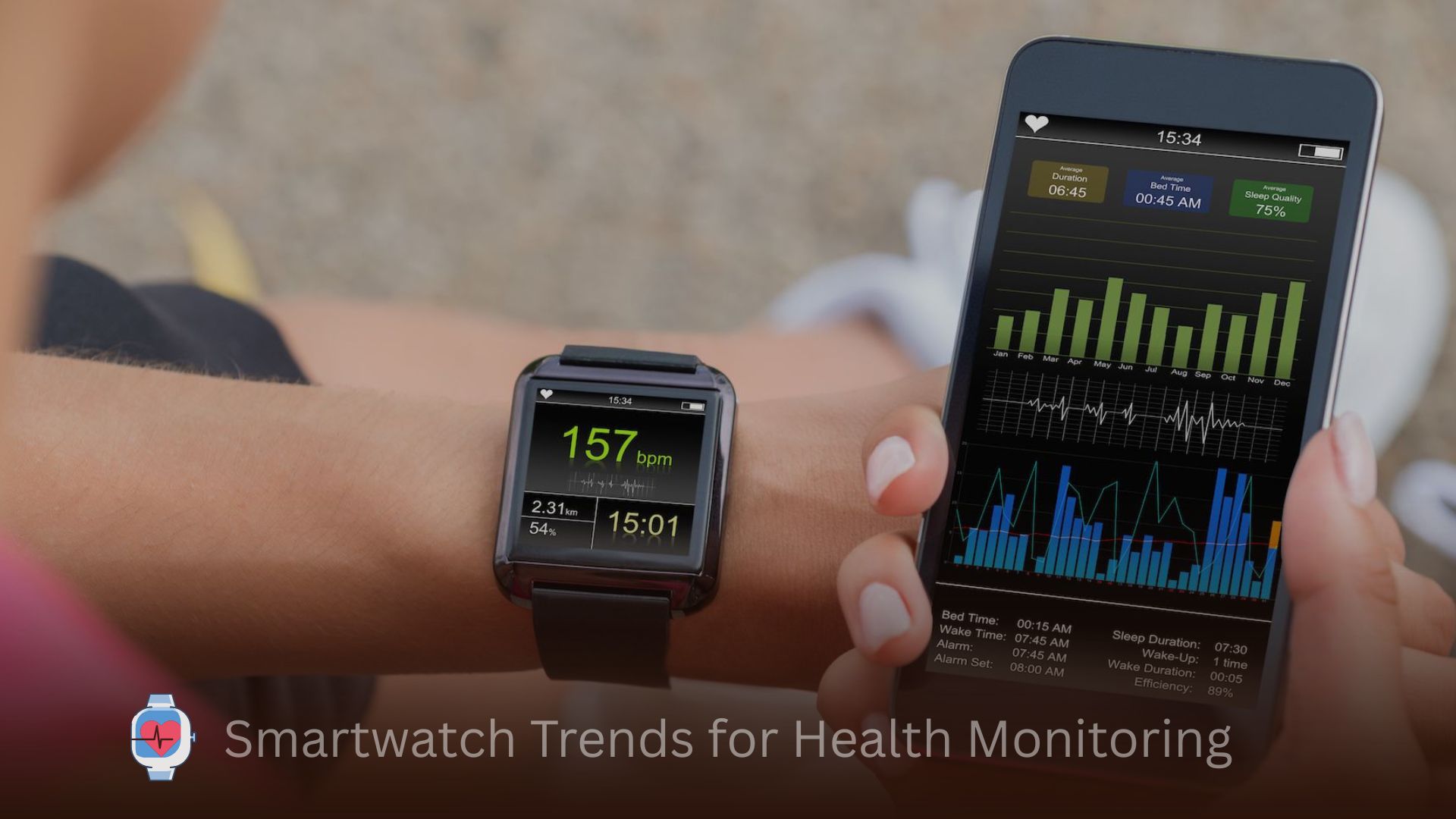
Modern smartwatches now deliver a robust range of health monitoring technologies. Key advancements include:
- Heart rate monitoring: Continual pulse tracking is now standard, forming the backbone of health data for users of all ages.
- ECG functionality: With FDA-approved features in some premium models, users can check for irregular heart rhythms and receive early warnings for heart-related problems.
- Blood oxygen (SpO2) measurement: Especially prominent during the pandemic, blood oxygen monitoring has become a core feature for respiratory health and overall wellness.
- Sleep analysis: Today’s smartwatches dive deep into sleep patterns, stages, and quality, helping users identify disturbances and optimize rest.
- Stress tracking: By analyzing heart rate variability, many devices provide insights into stress levels, helping users manage daily pressures.
- Menstrual and women’s health tracking: Devices continue to introduce new features focused on reproductive health and perimenopause, ensuring wider audience relevance.
- Fall detection and activity alerts: Safety features such as automatic fall detection and emergency notifications are crucial for seniors and people with specific health needs.
- Additional metrics: Some advanced smartwatches now offer features like skin temperature, hydration sensing, and even non-invasive glucose tracking for more comprehensive coverage.
- The range and accuracy of these health metrics have improved dramatically in recent years, making smartwatches increasingly trusted by both individuals and healthcare professionals.
The Integration of AI and Machine Learning
The integration of artificial intelligence and machine learning is a major driver behind the advancements in smartwatch health monitoring. Nowadays, smartwatches do more than just gather raw data they analyze patterns and offer personalized recommendations using AI algorithms. Some top smartwatch brands utilize AI to provide predictive health scores, tailor workout plans, and even detect early signs of sleep disorders or irregular heart rhythms.
Machine learning enhances sensor accuracy by filtering out environmental noise, making the readings much more reliable. As this technology progresses, users will receive more precise health metrics, actionable advice, and timely alerts for any irregularities, shifting health monitoring from being reactive to truly proactive.
Connecting Health Data with Care Providers
A significant trend in wearable technology is the increasing connection between smartwatch health data and electronic health records used by healthcare providers. Medical institutions like hospitals and clinics are beginning to incorporate data gathered from smartwatches as part of ongoing patient monitoring. This integration gives healthcare professionals access to continuous health information over time, enabling deeper insights into patient conditions.
Specialized applications developed in collaboration with healthcare providers play an important role in managing chronic diseases, overseeing recovery after surgery, or tracking rehabilitation progress. These apps expand the scope of professional care beyond clinical walls, empowering patients to remain connected to their care teams from home or on the go.
Battery Life, Comfort, and Sensor Challenges
Though smartwatches offer many benefits, they also face several challenges. One of the biggest issues is battery life. As new features demand more power, users are seeking longer battery performance to support continuous health tracking. To address this, manufacturers are exploring innovations such as solid-state batteries and solar charging technologies aimed at extending battery life.
Another common concern is sensor accuracy. Readings can be affected by various factors including skin tone, body movement, and environmental lighting. Future smartwatch models are expected to incorporate more advanced sensors that deliver greater sensitivity and reliability, even in difficult conditions. The use of multi-modal sensors, which combine different types of measurements, provides more comprehensive health data and compensates for the limitations of individual sensors.
Comfort and wearability also remain essential. For health monitoring to be effective, users must be willing to wear their devices consistently throughout the day. To this end, sensor and device designs are evolving toward smaller, less intrusive, and more comfortable form factors that integrate seamlessly into daily life.
Smartwatches and the Future of Preventive Healthcare
The rise of smartwatch health monitoring is reshaping how people approach their own wellness. Instead of waiting for annual checkups, individuals now get daily feedback and early warnings for health issues right from their wrists. Smartwatches encourage regular activity, motivate with gamified wellness challenges, and support users in forming healthy habits.
With the future pointing toward further AI integration, advanced sensors, longer battery life, and tighter healthcare system integration, smartwatches are poised to become even more valuable for preventive healthcare. Soon, they may not just observe health but actively help predict issues and drive early interventions, potentially reducing healthcare costs for everyone.
Conclusion:
The smartwatch’s journey from novelty to indispensable health tool is one of rapid innovation and increasing personalization. With features that include advanced biometrics, AI-driven insights, and integration into health care systems, smartwatches are set to play a pivotal role in daily wellness for people everywhere. By addressing challenges in battery life, sensor accuracy, and privacy, the coming years will see wearables become even more capable, comfortable, and connected, truly revolutionizing personal health monitoring for the future.


