


Natural Caffeine Market Size & Share
Global Natural Caffeine Market reached US$ 4,281.20 million in 2025 and is expected to reach US$ 7,082.14 million by 2032, growing with a CAGR of 7.5% during the forecast period 2026-2032.
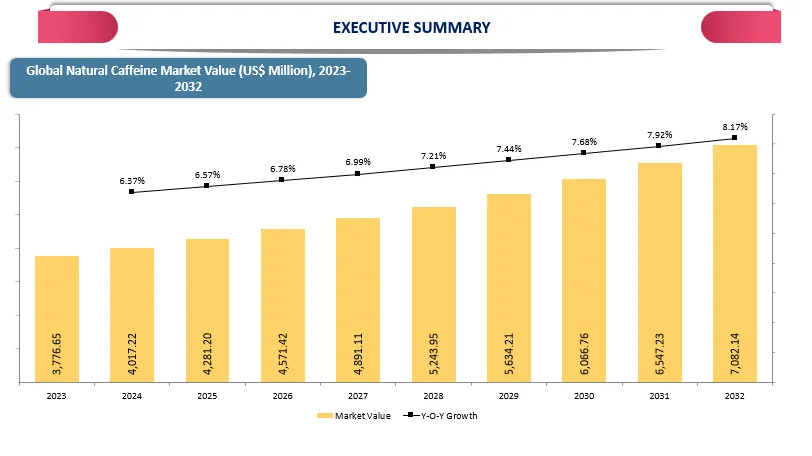
The natural caffeine market is experiencing steady growth, driven by rising consumer demand for clean-label organic and health-focused products. Natural caffeine, derived from plant-based sources such as coffee beans, tea leaves, guarana and yerba mate, has gained popularity due to its perceived health benefits and safer profile compared to synthetic caffeine. The market is heavily influenced by the booming functional beverage industry, including energy drinks, ready-to-drink teas and fitness-centric beverages, which increasingly incorporate natural caffeine to cater to health-conscious consumers.
Moreover, the growing preference for organic and eco-friendly products has spurred demand for natural caffeine in regions like North America and Europe, where consumers prioritize transparency and ethical sourcing. The Asia-Pacific region, driven by countries like China, Japan and India, is emerging as a significant market due to increasing health awareness and urbanization.
For instance, according to UN-HABITAT, urbanization continues to be a defining megatrend in Asia-Pacific. Fifty-four per cent of the global urban population, more than 2.2 billion people, live in Asia. By 2050, the urban population in Asia is expected to grow by 50% - an additional 1.2 billion people. Additionally, despite challenges like high production costs and competition from synthetic caffeine, the natural caffeine market shows robust potential, fueled by innovations in product development and growing consumer demand for sustainable and health-oriented solutions.
Natural Caffeine Market Scope
| Metrics | Details |
| CAGR | 7.5% |
| Size Available for Years | 2023-2032 |
| Forecast Period | 2026-2032 |
| Data Availability | Value (US$) |
| Segments Covered | Type, Form, Application, Distribution Channel and Region |
| Regions Covered | North America, Europe, Asia-Pacific, South America and Middle East & Africa |
| Fastest Growing Region | North America |
| Largest Region | Asia-Pacific |
| Report Insights Covered | Competitive Landscape Analysis, Company Profile Analysis, Market Size, Share, Growth, Demand, Recent Developments, Mergers and Acquisitions, New Product Launches, Growth Strategies, Revenue Analysis, Porter’s Analysis, Pricing Analysis, Regulatory Analysis, Supply-Chain Analysis and Other key Insights. |
Natural Caffeine Market Dynamics
Rising Popularity of Clean Label Products
The rising popularity of clean label products is a major driver for the natural caffeine market as consumers increasingly prioritize transparency and natural ingredients in their purchases. Clean label products emphasize minimal processing, no artificial additives and clear ingredient sourcing, aligning perfectly with the attributes of natural caffeine. Thus, rise of clean-labels helps to boost the market growth.
For instance, in 2024, consumers demand more clean-label products those with natural ingredients and fewer additives as they perceive them to be better for their health. Most (83%) shoppers are knowledgeable about clean-label products or have heard the term, according to a survey of more than 1,200 US consumers from earlier this year conducted by The Acosta Group.
Additionally, this trend has spurred innovations in the beverage and snack industries, where manufacturers prominently highlight "naturally sourced caffeine" to cater to this growing demand. For instance, energy drinks like Runa and Guayaki Yerba Mate have gained traction for their commitment to clean labels, emphasizing organic and sustainably sourced ingredients.
Similarly, startups producing caffeine-infused waters and teas have found success by marketing their products as free from synthetic additives and artificial sweeteners. This consumer shift toward clean-label preferences has solidified natural caffeine as a key ingredient in a wide range of food and beverage offerings, driving its market expansion.
Expanding Applications in Diverse Industries
Natural caffeine’s versatility is driving its adoption across multiple industries, including beverages, personal care and pharmaceuticals. In the beverage industry, natural caffeine is a critical component of energy drinks and ready-to-drink teas, which are seeing increasing demand.
In the cosmetics industry, natural caffeine is utilized for its antioxidant and anti-inflammatory properties, aiding in skin rejuvenation and reduction of cellulite.
The U.S. National Institutes of Health (NIH) highlights caffeine’s efficacy in enhancing skincare products, leading to increased demand in this sector. Pharmaceuticals are another growing application area. Natural caffeine is included in pain relief and respiratory stimulant formulations, benefiting from its natural origin and minimal side effects. The Indian Ministry of Health and Family Welfare reports a 15% annual growth in the herbal pharmaceuticals market, with natural caffeine being a prominent ingredient.
High Production Costs
High production costs significantly restrain the natural caffeine market by making products derived from natural sources more expensive than those using synthetic caffeine. The extraction of natural caffeine from raw materials like coffee beans, tea leaves, guarana and yerba mate involves labor-intensive processes, sustainable farming practices and certifications such as organic or fair-trade. These factors drive up the cost of natural caffeine, which is typically priced between US$ 25 to US$ 35 per kilogram, compared to synthetic caffeine, which costs around US$ 10 to US$ 15 per kilogram.
This cost disparity makes it challenging for manufacturers to price natural caffeine-based products competitively, particularly in price-sensitive markets. For instance, natural caffeine energy drinks such as Guayaki Yerba Mate retail at a premium of US$ 3-US$ 4 per bottle, while mainstream synthetic caffeine-based energy drinks like Monster Energy or Red Bull are priced around US$ 2-US$ 3 per can. Similarly organic green coffee bean extracts used in natural caffeine supplements are significantly costlier due to the need for sustainable sourcing.
The higher costs often lead to limited adoption of natural caffeine-based products, especially in emerging markets where affordability is a major concern. Thus, high production costs pose a significant barrier to the growth of the natural caffeine market by creating a substantial price gap between natural and synthetic caffeine. This cost disparity, driven by labor-intensive extraction processes, sustainable farming practices and certification requirements, limits the affordability and accessibility of natural caffeine-based products, particularly in emerging markets.
Natural Caffeine Market Trends
The growing trend of health consciousness is transforming consumer preferences in the beverage and nutrition markets. More people are seeking products that provide energy, focus, and wellness benefits naturally, avoiding synthetic additives and sugar-laden alternatives. This shift positions natural caffeine as a key ingredient for brands targeting health-conscious lifestyles. As consumers integrate wellness into daily routines, demand for functional, clean-label products continues to rise.
Natural caffeine sources like green tea, guarana, and yerba mate are increasingly used in energy drinks, supplements, and functional beverages. These ingredients provide balanced stimulation and mental clarity without the negative side effects of synthetic caffeine. Combining caffeine with complementary ingredients like L-Theanine allows brands to offer enhanced focus and sustained energy. This aligns perfectly with consumers’ desire for health-conscious, functional solutions that support overall well-being.Real-world examples like KEY, an all-natural, sugar-free energy drink with 80 mg of natural caffeine from green tea, demonstrate this trend. By expanding to over 420 Sprouts Farmers Market stores nationwide, KEY targets health-conscious consumers seeking sustained energy without jitters. Its formulation, combining caffeine with L-Theanine, positions it as a functional, wellness-focused beverage. Such success stories illustrate the potential for natural caffeine products to capture market share by leveraging health-conscious consumer behavior.Natural Caffeine Market Segment Analysis
The global natural caffeine market is segmented based on by type, by form, by application, by distribution channel and by region.
Rising Adoption of Natural Caffeine in Food & Baverages
The food and beverages segment dominates the natural caffeine market, primarily due to its widespread use in energy drinks, ready-to-drink teas, coffee and functional beverages. Consumers increasingly prefer beverages that provide a natural energy boost, aligning with the global trend toward clean-label and health-conscious products.
Energy drinks and sports beverages, in particular, rely heavily on natural caffeine sourced from coffee beans, guarana and green tea to deliver sustained energy and improved performance. For instance, brands like Red Bull Organics and Guayaki Yerba Mate have captured significant market share by promoting their use of naturally sourced caffeine.
Additionally, the growing popularity of cold brew coffee and green tea-based drinks has further propelled the demand for natural caffeine in this segment. Companies like Starbucks have expanded their offerings with natural caffeine-infused beverages, such as cold brew with guarana or green coffee extract, to cater to health-conscious millennials and Gen Z consumers.
The inclusion of natural caffeine in functional foods like protein bars and caffeinated snacks is also rising, offering consumers convenient energy solutions beyond traditional drinks. This strong consumer preference for natural, functional and clean-label food and beverage options ensures the segment's continued dominance in the natural caffeine market.Top of Form
Natural Caffeine Market Geographical Share
North America Natural Caffeine Market
In North America, the natural caffeine market is primarily driven by the US, Canada, and Mexico, where consumption of coffee and caffeinated beverages is significant. In the US, the FDA regulates caffeine-containing products, while the National Coffee Association (NCAUSA) provides industry guidance and USDA statistics track production and imports. The North American natural caffeine landscape presents a mature, yet dynamically evolving marketplace characterized by sophisticated consumer behavior and regulatory frameworks that distinguish it as a global benchmark for caffeine consumption patterns. This market demonstrates remarkable population-level penetration, with approximately 69% of the US population consuming at least one caffeinated beverage daily.Demographically, caffeine consumption peaks among consumers aged 50-64 years at 246 milligrams daily, while the youngest cohort children aged 2-5 years consuming 42 milligrams daily establishes habitual patterns from early developmental stages. This high engagement is further evidenced by North America recording the highest average annual caffeine-containing beverage volume sales per capita at 348 liters, substantially exceeding other global regions.This volumetric leadership translates into 89% of the adult US population consuming caffeine with equal prevalence between men and women; however, gender-differentiated patterns emerge at higher intake levels, where men consume 240 milligrams daily versus 183 milligrams for women among regular consumers. The category is dominated by coffee, which represents 69% of total caffeine intake across all US age groups, followed by carbonated soft drinks at 15.4% and tea at 8.8%Europe Natural Caffeine Market
European natural caffeine market was valued at US$ 1,280.29 million in 2024 and is estimated to reach US$ 2,196.43 million by 2032, growing at a CAGR of 7.1% during the forecast period from 2026-2032.In Europe, the natural caffeine market is governed by a highly structured and harmonized regulatory framework led by the European Food Safety Authority (EFSA) and the European Commission. EFSA evaluates the safety of caffeine intake and provides scientific opinions that shape regulations for foods, beverages, and supplements.The European natural caffeine market is a sophisticated and growing ecosystem, anchored by the rigorous standards of the European Food Safety Authority (EFSA). Since its foundational 2015 scientific opinion, the market has operated under a clear regulatory ceiling: habitual consumption of up to 400 milligrams per day is considered safe for healthy adults, while a 200-milligram threshold is maintained for pregnant women and acute single doses. This evidence-based structure derived from 39 surveys across 22 countries establishes 3 milligrams per kilogram of body weight as a conservative safety threshold, providing a predictable environment for ingredient developers targeting everyone from children to the elderly.While the average European adult consumes between 37 and 319 milligrams of caffeine daily, the sources of this intake reveal a continent divided by tradition. Coffee dominates the mainland, contributing between 40% and 94% of adult caffeine intake. However, a "Tea Belt" exists in Ireland and the United Kingdom, where tea accounts for 59% and 57% of intake respectively. Currently, Europe records 200 liters per capita in annual caffeine-containing beverage sales. While this trails North America’s 348 liters, it significantly outpaces the Asia-Pacific region’s 126 liters, signaling a mature market that still possesses significant headroom for growth in novel delivery formats.Natural Caffeine Market Major Global Players
The major global players in the market include SHRI AHIMSA NATURALS LIMITED, Applied Food Sciences (AFS), Botanic Healthcare, Natura Vitalis, Prinova Group LLC, Nutriventia, UL LLC, Herbochem, Cerata Pharmaceuticals LLP and Stabilimento.
Natural Caffeine Market Sustainability Analysis
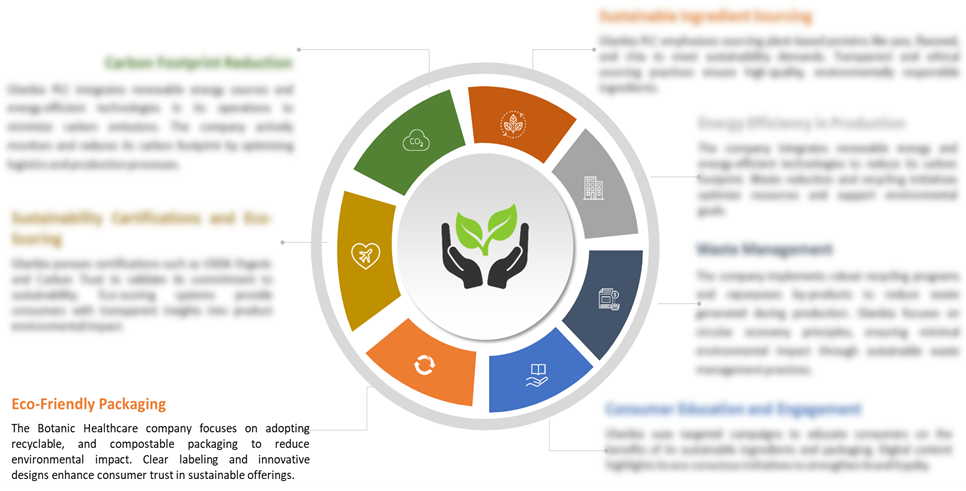
Sustainability is a critical focus in the natural caffeine market, with increasing efforts to minimize the environmental impact of production and packaging. Companies are adopting organic farming practices and reducing reliance on synthetic fertilizers, aligning with the United Nations’ Sustainable Development Goals (SDGs).
Additionally, the use of biodegradable packaging for natural caffeine products is gaining momentum. According to the Global Sustainability Council (GSC), sustainable packaging solutions in the beverage industry could reduce waste by 25% annually. Leading brands are also investing in carbon-neutral manufacturing processes, ensuring minimal environmental footprint and enhanced consumer appeal.
Natural Caffeine Market Consumer Behaviour Analysis
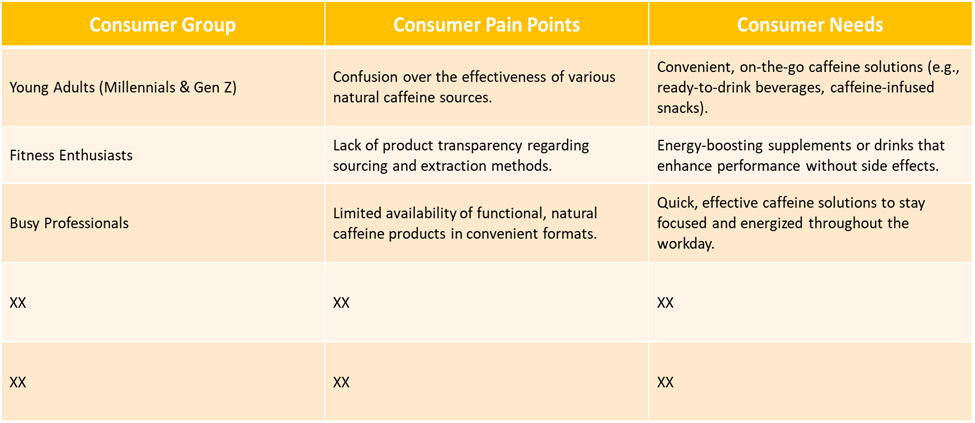
Consumers in the global natural caffeine market are increasingly prioritizing clean-label products. Clean labels refer to products that have simple, recognizable ingredients with no artificial additives, preservatives or unnecessary chemicals. This trend is particularly strong among health-conscious consumers, millennials and Gen Z, who are more informed and discerning about the ingredients in their food and beverages. The consumers seek transparency and trust in the brands they choose, with a preference for functional drinks that contain natural organic and non-GMO ingredients.
The demand for clean-label functional drinks is driven by a growing awareness of the potential negative impacts of synthetic chemicals, artificial sweeteners and preservatives on health. Consumers are particularly focused on health benefits like immune support, hydration, energy and mental clarity, but they expect these benefits to come from natural sources like fruits, vegetables, plant extracts and natural sweeteners like stevia or honey.
Natural Caffeine Emerging Market Players and Strategic Initiatives
Emerging players in the natural caffeine market are adopting innovative strategies to capture market share and meet the growing demand for clean-label organic and health-conscious products. The companies are focusing on sustainability, transparency and product differentiation to appeal to a broader consumer base. One key strategy involves sourcing caffeine from diverse, sustainable plant-based origins like guarana, green coffee and yerba mate, ensuring high quality while supporting environmental sustainability.
For example, Runa, a brand offering guarana-based beverages, emphasizes its commitment to sustainability by sourcing guarana from indigenous communities in the Amazon Rainforest, promoting both fair trade and environmental preservation. Emerging players are also leveraging digital platforms and social media to engage with consumers, particularly Millennials and Gen Z, who seek transparency in ingredients and sustainability practices.
Key Developments in the Natural Caffeine Market
- August 2026: Applied Food Sciences (AFS) continued expanding its natural caffeine and botanical ingredient portfolio, focusing on clean-label energy, sports nutrition and functional beverage applications.
- July 2026: Botanic Healthcare continued strengthening its botanical-extract portfolio, supporting growing demand for naturally sourced caffeine ingredients across nutraceutical, food and beverage applications.
- July 2026: Prinova Group LLC continued expanding its specialty ingredient and premix capabilities, supporting manufacturers developing energy drinks, sports nutrition products and functional foods containing caffeine.
- June 2026: Nutriventia continued developing standardized botanical and nutraceutical ingredients, with increasing focus on clean-label formulations, energy and performance-related applications.
- June 2026: SHRI AHIMSA NATURALS LIMITED continued expanding its natural botanical-extract portfolio, supporting demand for naturally derived caffeine and plant-based functional ingredients.
- May 2026: Herbochem continued strengthening its botanical-extract and nutraceutical ingredient capabilities, with natural extracts increasingly used in functional foods, beverages and dietary supplements.
- May 2026: UL LLC continued supporting the natural-ingredient sector through testing, certification and quality-assurance services, helping manufacturers demonstrate ingredient safety, identity and quality.
- April 2026: Cerata Pharmaceuticals LLP continued developing and supplying pharmaceutical and nutraceutical ingredients, supporting the broader market for standardized botanical and functional ingredients.
- April 2026: Natura Vitalis continued expanding its health and nutrition product portfolio, responding to consumer interest in plant-based and naturally sourced functional ingredients.
- 2026: Stabilimento continued participating in the specialty ingredient and natural-products supply chain, supporting manufacturers seeking functional and botanical ingredients.
Why Choose DataM?
Technological Innovations: DataM evaluates advances in non-invasive cardiac imaging, genetic testing, RNA interference, TTR stabilization, gene silencing, gene editing, biomarker monitoring and emerging amyloid-depletion technologies.
Product Performance & Market Positioning: The report evaluates ATTR-CM therapies based on mortality outcomes, cardiovascular hospitalization, functional capacity, quality of life, TTR stabilization or suppression, dosing frequency, administration route, safety and treatment convenience.
Real-World Evidence: DataM connects market developments with wild-type and hereditary ATTR-CM, heart failure populations, diagnostic pathways, specialized amyloidosis centers and long-term disease monitoring.
Market Updates & Industry Changes: The report tracks drug approvals, clinical-trial developments, regulatory milestones, diagnostic advances, reimbursement changes, patient-access programs, pipeline therapies and emerging treatment mechanisms.
Competitive Strategies: DataM analyzes how pharmaceutical and biotechnology companies compete through novel mechanisms, differentiated dosing schedules, clinical partnerships, regulatory strategies, patient-support programs and geographic expansion.
Pricing & Market Access: DataM evaluates treatment economics based on therapy type, dosing frequency, administration route, treatment duration, reimbursement conditions, patient assistance programs and regional healthcare-system characteristics.
Market Entry & Expansion: DataM identifies opportunities created by earlier diagnosis, expanding genetic testing, aging populations, improved cardiac imaging, specialist-center development and increasing access to advanced ATTR-CM therapies.
Target Audience
- Pharmaceutical & Biotech Companies - Drug development and market strategy.
- Cardiology & Specialty Centers - Diagnosis and treatment planning.
- Diagnostic Companies - Imaging and genetic-testing opportunities.
- Investors - Market and pipeline intelligence.
- Healthcare Payers - Pricing and reimbursement analysis.
- Research Organizations - ATTR-CM clinical and therapeutic trends.




























































